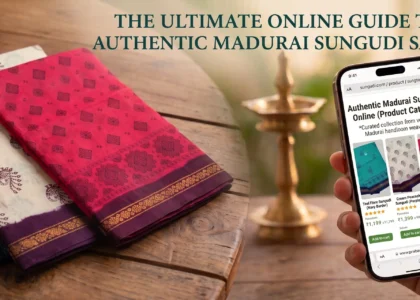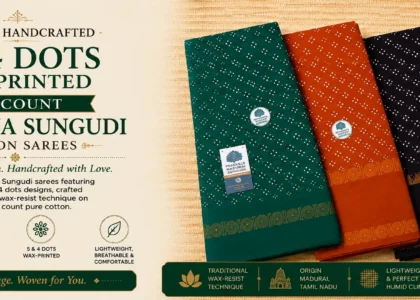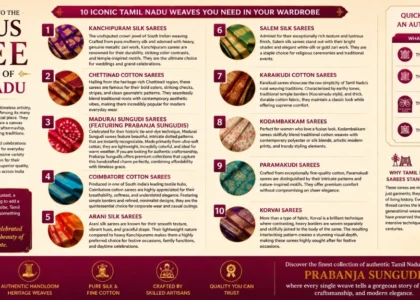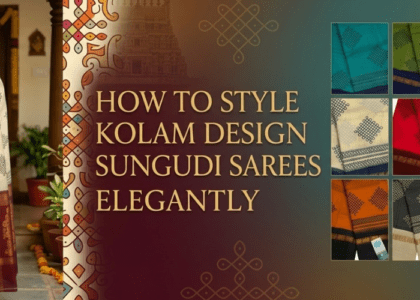

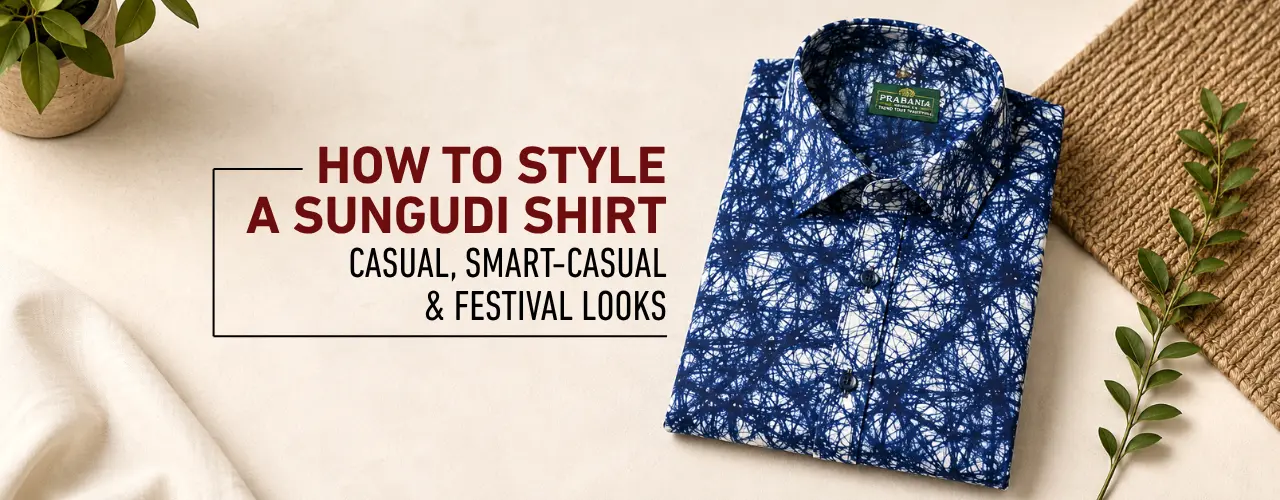
The Sungudi shirt is not a mainstream fashion product. It is something rarer — a garment born from a 400-year-old craft tradition, reimagined for the modern Indian man, and made possible by a single bold idea: that the hand-tied, naturally dyed fabric that Tamil women have worn for centuries deserves to be worn by men too.
Prabanja Sungudi made history by introducing the world’s first Sungudi shirt — a 100% pure cotton shirt produced using the same traditional tie-and-dye artisanship from Madurai. The result is a shirt that carries the breathability and cultural identity of Sungudi fabric, in a silhouette suited to everyday Indian life.
But how do you actually wear it? Here is a complete guide for three distinct looks: casual, smart-casual, and festival.
Understanding the Sungudi Shirt First
Before discussing styling, it is worth understanding what makes this shirt different from a regular printed cotton shirt.
Sungudi shirts are made using real hand-tie-dye — the fabric is hand-knotted before dyeing, creating natural dot patterns and colour gradients that cannot be replicated by machine printing. The result is a shirt that looks similar to hand-printed shirts sold for ₹2,500–₹4,000 in Malaysia, Singapore, and Sri Lanka, but is available here for ₹799.
The fabric is exceptionally lightweight and breathable, making it ideal for Tamil Nadu’s climate. Because each shirt is crafted individually, there are subtle variations in pattern between pieces — making yours genuinely unique.
Current styles include: Big Bindhi (large dot) pattern in maroon, green, and ash; Tie-Dye pattern in light yellow and blue; and Ikat-inspired patterns in green. All are available in Size 42.
Look 1: The Everyday Casual Look
The easiest and most natural context for a Sungudi shirt is relaxed everyday wear — weekend outings, temple visits, casual family gatherings, and everyday errands.
The formula:
- Shirt: Sungudi Big Bindhi or Tie-Dye pattern — left untucked, buttons open at the collar by one or two
- Bottom: Plain white or khaki cotton trousers, or dark blue jeans for a younger look
- Footwear: Brown leather chappals or simple canvas sneakers
- Accessories: Minimal — a simple watch or a thread bracelet is enough
The shirt is the statement. Let it breathe. The rest of the outfit should be neutral enough to let the Sungudi pattern do its work.
Colour-specific guidance: The maroon Big Bindhi shirt works best with cream or khaki trousers — the warmth of the maroon is grounded by neutral bottoms. The light yellow Tie-Dye shirt is exceptional with dark blue jeans and dark brown chappals — a modern Tamil casual combination that travels well.
The overall impression: Effortless, cultural, uniquely Indian without being costume-like. Expect conversations about the shirt.
Look 2: The Smart-Casual Office Look
Tamil Nadu’s corporate and professional culture increasingly accepts ethnic-fusion dressing — especially on Fridays, during cultural events, or in creative and educational environments. The Sungudi shirt handles smart-casual dressing better than almost any other ethnic shirt because the dot pattern reads as structured and intentional rather than informal.
The formula:
- Shirt: Sungudi shirt fully tucked in, all buttons done, sleeves worn down or folded once (not twice — the double fold looks too casual for office)
- Bottom: Well-fitted dark trousers in navy, charcoal, or black — avoid casual chinos here, opt for formal-weight cotton
- Footwear: Formal leather shoes or clean leather loafers in tan or brown
- Accessories: A leather belt that matches your shoes. A simple silver or silver-toned watch. No heavy jewellery.
The collar:
Keep the top button done. This keeps the look professional. Open collars work in casual settings but undermine the polished impression in professional ones.
Colour-specific guidance: The ash with white dot Sungudi shirt is your most office-appropriate choice — it is the closest to a conventional formal shirt in its subtlety. Pair it with charcoal or dark grey trousers. The green Ikat pattern shirt, paired with dark navy trousers, creates a confident ethnic-professional look for environments that encourage cultural dressing.
The overall impression: A man who is proud of his heritage and expresses it with intention. This look distinguishes you in any professional space.
Look 3: The Tamil Festival Look
This is where the Sungudi shirt fully owns its identity. Tamil festivals — Pongal, Tamil New Year, Karthigai, temple utsavams, family functions — are the natural stage for this garment. The hand-dyed craft and the traditional dot pattern connect directly to the Madurai heritage that these occasions celebrate.
The formula:
- Shirt: Sungudi shirt worn traditionally tucked in over a veshti (dhoti). This is the quintessential South Indian festival combination — and it works magnificently.
- Veshti: Plain white or off-white cotton veshti. The contrast between the patterned Sungudi shirt and the clean veshti creates a visually balanced, culturally rooted look.
- Alternatively: Dark churidar trousers in navy or black for men who prefer a non-veshti festival look
- Footwear: Traditional Kolhapuri chappals or mojari for veshti combinations. Clean leather loafers for churidar combinations.
- Accessories: A single gold chain if you wear one. A traditional gold or silver ring. Keep it understated — the shirt and veshti combination has its own natural gravitas.
The hair and grooming:
For festival context, clean-shaven or neatly trimmed. A small pottu (tilak) for religious occasions completes the look authentically.
Colour-specific guidance: Maroon with white dots over a white veshti is the most traditionally resonant festival combination. The green with yellow dots over a white veshti creates a more Pongal-specific colour story — green for harvest, yellow for the sun and kolam. The blue Tie-Dye shirt over a white veshti is a beautiful choice for Karthigai or temple visits — dignified and culturally appropriate.
The overall impression: A man deeply rooted in Tamil identity, wearing living craft. This look will draw admiration at any family function, temple, or festival.
Caring for Your Sungudi Shirt
A few simple rules will ensure your Sungudi shirt maintains its colour and texture across years of use:
- Wash in cold water with a mild detergent. Warm or hot water can cause the natural dyes to release more quickly.
- Do not soak for more than 10 minutes. Hand-wash gently or use a delicate machine cycle.
- Dry in shade. Direct sunlight over time can fade the dots, particularly in the lighter-coloured shirts.
- Iron on medium heat. The cotton fabric accepts ironing easily. If you prefer a slightly lived-in look, light ironing works just as well.
Frequently Asked Questions
Q1. Can the Sungudi shirt be worn for weddings or very formal occasions?
Yes, especially in Tamil Nadu where ethnic dressing is celebrated at weddings. The Sungudi shirt over a silk or pure cotton veshti is entirely appropriate for wedding guest attire. For the groom or close family, it may serve as a pre-function or day-event option, though heavier silk kurtas remain the primary choice for wedding ceremonies.
Q2. The shirt is only available in Size 42 — what if I need a different size?
Sizes 38 to 46 are available on request. WhatsApp +91 99940 25159 or +91 95000 66188 with your required size and preferred colour. The team will confirm availability and lead time within 24 hours.
Q3. How does the Sungudi shirt compare in quality to a regular printed cotton shirt?
Unlike printed shirts where colour sits on top of the fabric, Sungudi shirts are tie-and-dye — meaning the colour penetrates the fibre. This makes the colour richer, more complex, and significantly more durable. The fabric is also softer and more breathable than most printed cotton shirts.
Q4. Can the Sungudi shirt be gifted to someone outside Tamil Nadu?
Absolutely. The shirt ships across India via sungudi.com, and is particularly meaningful as a gift for Tamil diaspora communities. The cultural story of the garment makes it a memorable and unique gift.
Q5. Is it appropriate for older men (60+) to wear a Sungudi shirt?
Yes — particularly for festival occasions where the shirt-over-veshti combination is a natural fit for senior men. The more subdued patterns (ash with white dot, maroon with white dot) offer elegance without being youthful to excess. The fabric’s lightweight breathability is a practical advantage for older wearers.
Shop Authentic Sungudi Shirts at sungudi.com
Browse our full collection of handcrafted Sungudi Shirts at sungudi.com. Have a question? WhatsApp us at +91 99940 25159 — we’re happy to help you find the perfect saree for any occasion.